
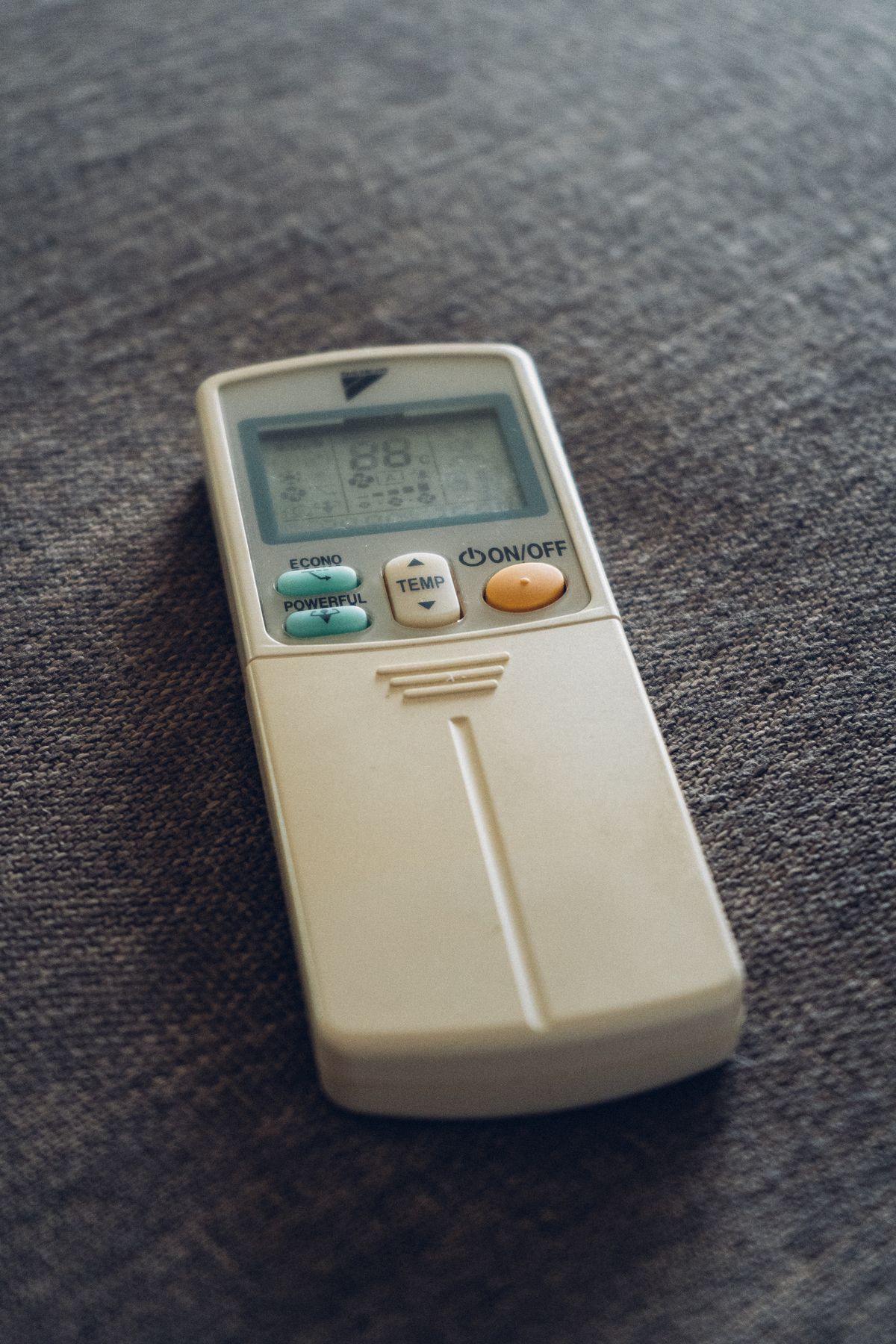
Air conditioning is often the single biggest item on a summer electricity bill. The good news is that a few small changes to how you set and use your AC can make a real difference — without giving up comfort.
Set the temperature a little higher
Many people set the remote to 16–18°C hoping the room will cool faster. It won’t — the compressor runs at the same speed either way; it just keeps going longer. A setting around 24–26°C is comfortable for most people, especially with a ceiling fan moving air, and every degree higher reduces the work the compressor has to do.
Use the modes your AC already has
- Dry mode removes humidity at low fan speed. On sticky, mild days it often feels more comfortable than full cooling and uses less power.
- Eco or energy-saving mode limits maximum output on inverter units, which is ideal for long running hours.
- Sleep mode raises the set temperature gradually through the night as your body needs less cooling.
Let the timer do the remembering
Cooling empty rooms is pure waste. Use the off-timer when you go to sleep or leave for work, and the on-timer to start cooling shortly before you get home. Inverter units are designed to run steadily, so avoid switching them on and off every few minutes.
Keep the heat out in the first place
Close curtains on sun-facing windows during the afternoon, seal gaps under doors, and keep the door to the cooled room shut. Heat-producing appliances such as irons and ovens add load to the AC — use them before it starts or in another room where possible.
Maintenance matters more than any setting
Even perfect settings can’t make up for a dirty coil or a low refrigerant charge. Clean filters every few weeks during heavy use and book a professional AC service before the hot season. A clean, correctly charged system cools faster and runs shorter cycles.
Is it time to replace an old unit?
Older non-inverter air conditioners can use considerably more electricity than modern inverter models for the same cooling. If your unit is ageing and needs a major repair, ask for a comparison of the repair cost against a new installation — we’ll give you honest numbers either way.